There Was And There Were

There was and there were are simple yet powerful words that anchor the past tense in everyday English.
Understanding the Core Difference Between There Was and There Were
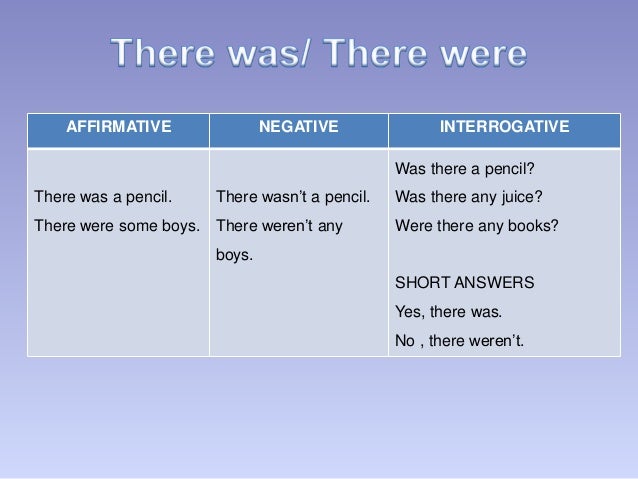
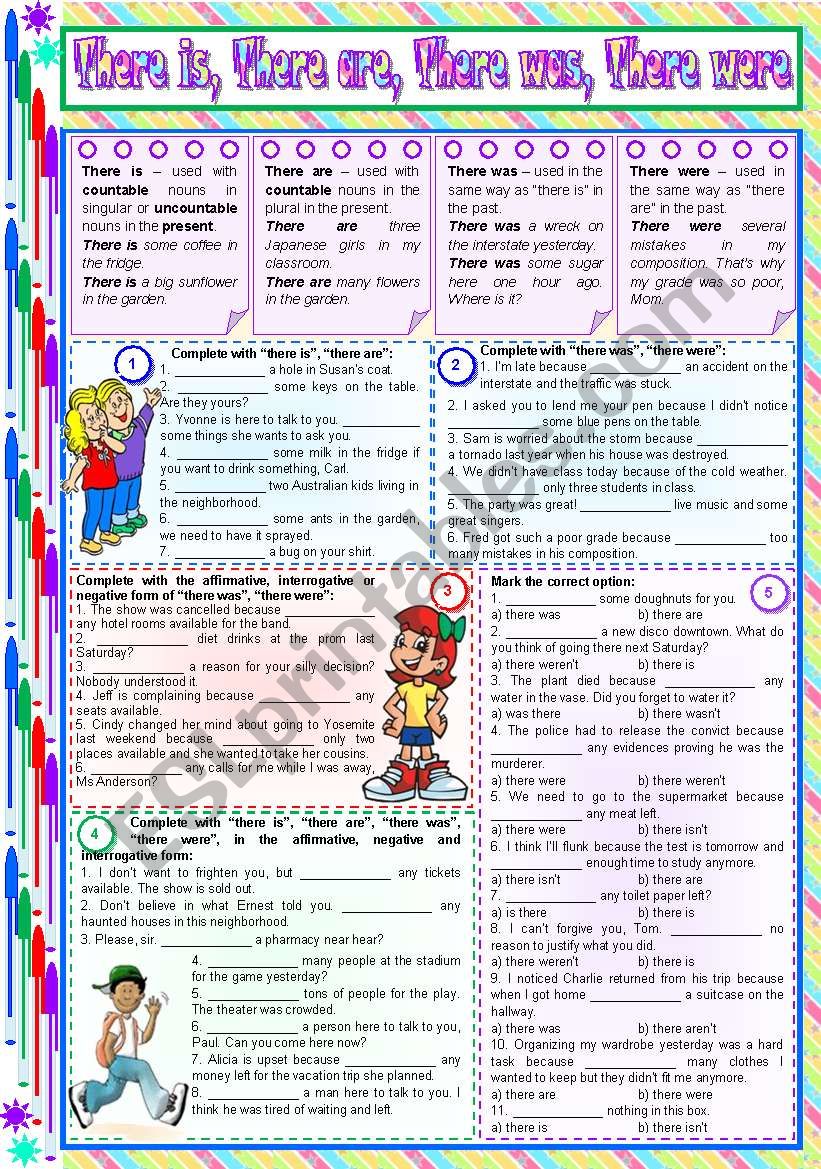
At the heart of the phrase lies a clear rule rooted in noun count. There was is used for singular or uncountable nouns, while there were is reserved for plural nouns. This distinction makes your writing and speaking precise, so listeners instantly grasp whether you refer to one thing or many.
For example, you would say, "There was a book on the table," because "book" is singular. Conversely, you would state, "There were books on the table," highlighting the presence of multiple items. Mastering this small detail dramatically improves the accuracy of your English.
Practical Examples of There Was in Daily Use
Using there was correctly helps you describe singular past situations naturally. It often appears with words like "a," "an," or any singular noun.
- There was a loud noise last night.
- There was enough food for everyone.
- There was a strange smell in the house.
In each case, the subject following the verb is one single entity. This structure is extremely common when narrating a specific event or condition that existed at a certain moment in the past.
Exploring There Were with Plural and Collective Ideas
When the scene involves multiple subjects or people, there were becomes the correct choice. It instantly signals that you are talking about more than one.

Consider these common situations:
- There were many guests at the party.
- There were old photographs on the wall.
- There were two options on the menu.
Even when the noun is a collective group, if you think of the members as individuals, you often use "there were." For instance, "There were children playing in the park" focuses on the multiple children, not the group as a single unit.
Tricky Cases: Uncountable Nouns and Special Exceptions
Not all nouns fit neatly into singular or plural boxes. Uncountable nouns like "water," "advice," or "furniture" always take there was, even if you might think of them as a large amount.

For instance:
- There was some milk in the fridge.
- There was too much traffic this morning.
- There was furniture in every room.
Additionally, in very informal speech, you might hear "there was" used with plural nouns, but in careful writing and formal tests, the strict singular/plural rule remains essential.
The Role of Time and Context in Choosing the Right Form
The time frame of your sentence usually stays in the past, but the specific moment changes the nuance. You might refer to a brief event or a lasting situation.
For a short, temporary condition, you could say, "There was a power outage yesterday." For a longer state, you might state, "There was a park near my old house." The context helps you decide if the situation felt momentary or permanent, even though both use "there was."
Avoiding Common Mistakes and Improving Your Flow
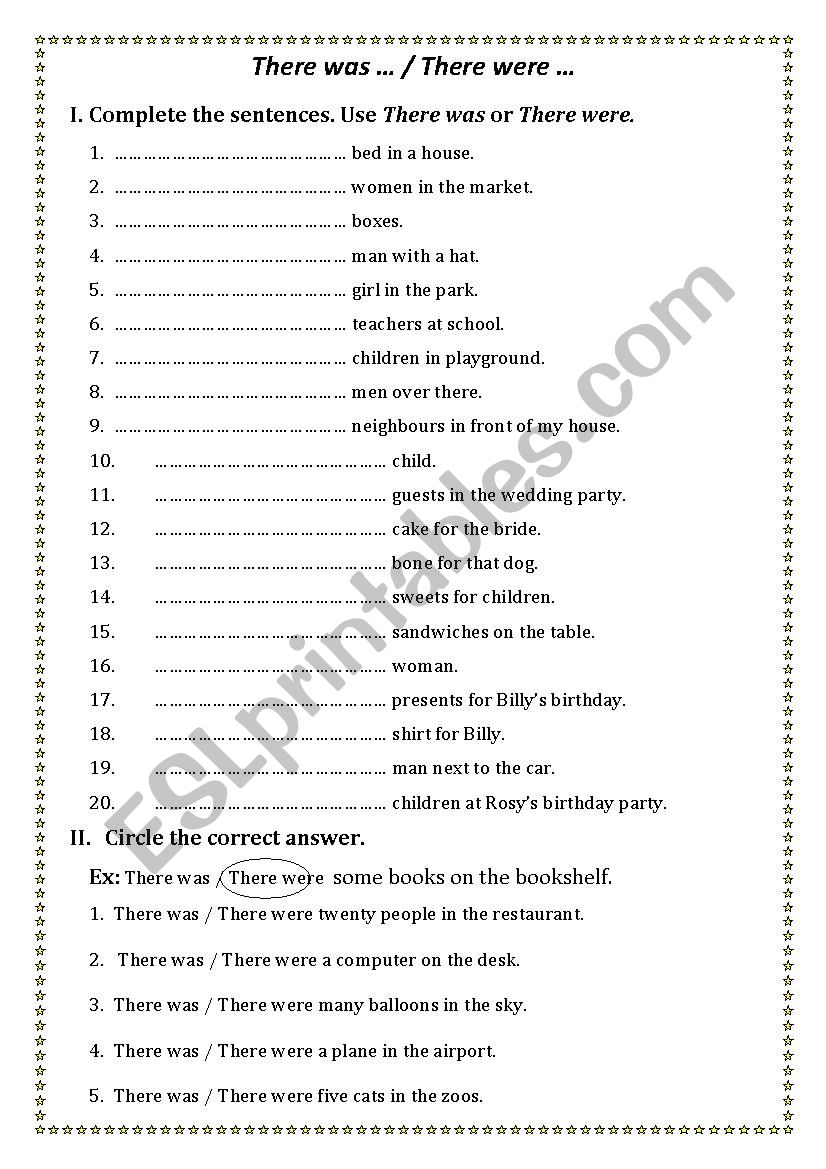
One of the most frequent errors is mixing up the verb with the noun that follows it. Always check the noun immediately after the verb to decide if you need "was" or "were."
To improve, try reading your sentences aloud. If you say, "There were a cat on the mat," you will likely hear that it sounds wrong. Training your ear to catch this mistake is a quick path to better grammar and more confident communication.
There was and there were serve as vital tools for describing the past, and using them correctly brings clarity and professionalism to your English.
There WAS x WERE
Link com resumo e exercícios ...
