Tqm Total Quality Management
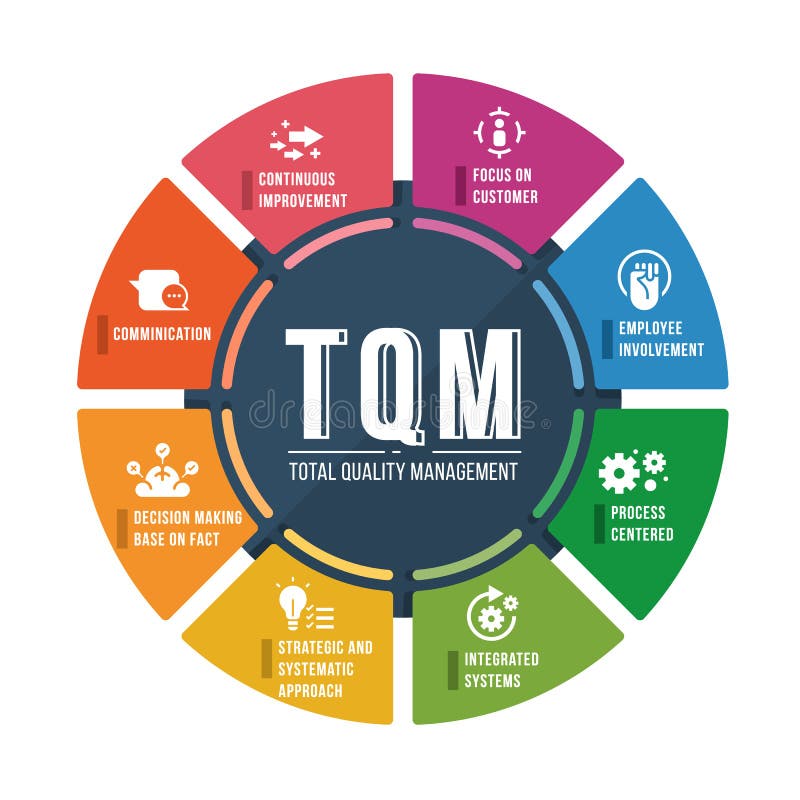
Total Quality Management, or TQM, is a holistic management approach that focuses on continuous improvement and customer satisfaction through the disciplined participation of every employee.
Understanding the Core Principles of TQM
At its heart, Total Quality Management is not a program or a project but a long-term commitment to a specific way of thinking about work and value. The philosophy assumes that excellence is not an accident; it is the result of consistent processes, careful attention to detail, and a culture that encourages learning and accountability. Unlike short-lived initiatives, TQM integrates quality into the very fabric of strategy, operations, and leadership, making quality everyone’s daily responsibility rather than the exclusive concern of a dedicated department.
One of the foundational ideas in TQM is that quality should be designed and built into a product or service from the very beginning, rather than inspected in afterward. This prevention-first mindset reduces waste, rework, and the costs associated with fixing problems after they reach the customer. By aligning processes, people, and systems, organizations create a stable foundation that supports innovation while minimizing variability and unpredictability in performance.
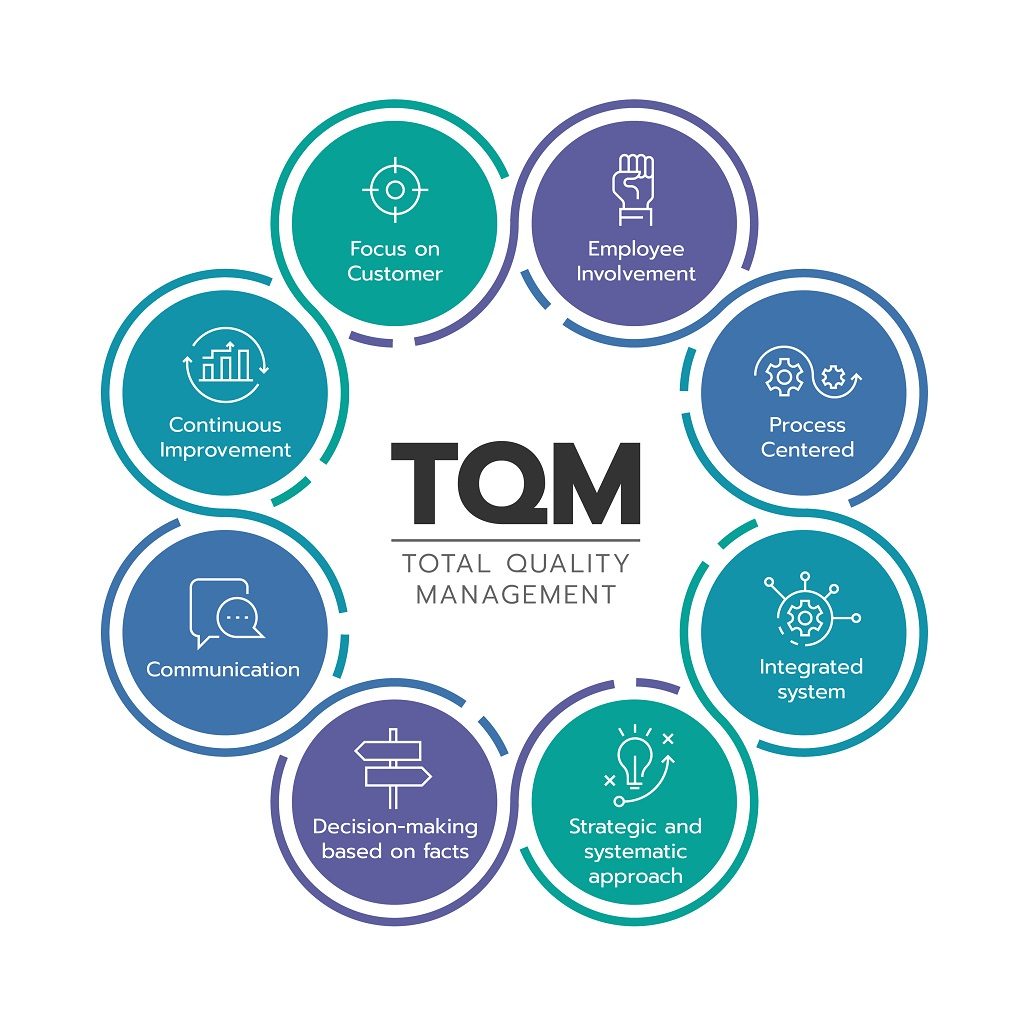
Customer Focus and Market Orientation
A central pillar of Total Quality Management is an unwavering focus on the customer, both external and internal. Organizations that embrace TQM study customer needs, expectations, and feedback rigorously, using this information to refine products, services, and support experiences. They recognize that quality is defined by the customer’s experience, not by internal assumptions, and they strive to align their capabilities with what the market truly values.
In practice, this customer orientation means that data about satisfaction, complaints, and market trends is treated as a strategic asset. Teams use this information not only to solve problems but also to anticipate future demands and opportunities. By maintaining a close dialogue with customers and stakeholders, an organization can adapt more quickly, improve relevance, and build trust over time, which strengthens long-term competitiveness and resilience.
Leadership, Culture, and Employee Involvement
Effective leadership is essential for a successful TQM journey, because leaders set the tone for commitment, transparency, and continuous improvement. They communicate quality goals clearly, provide the necessary resources, and model behaviors that reinforce integrity, collaboration, and responsibility. When leadership consistently demonstrates that quality matters more than short-term gains, employees are more likely to engage deeply with improvement efforts.
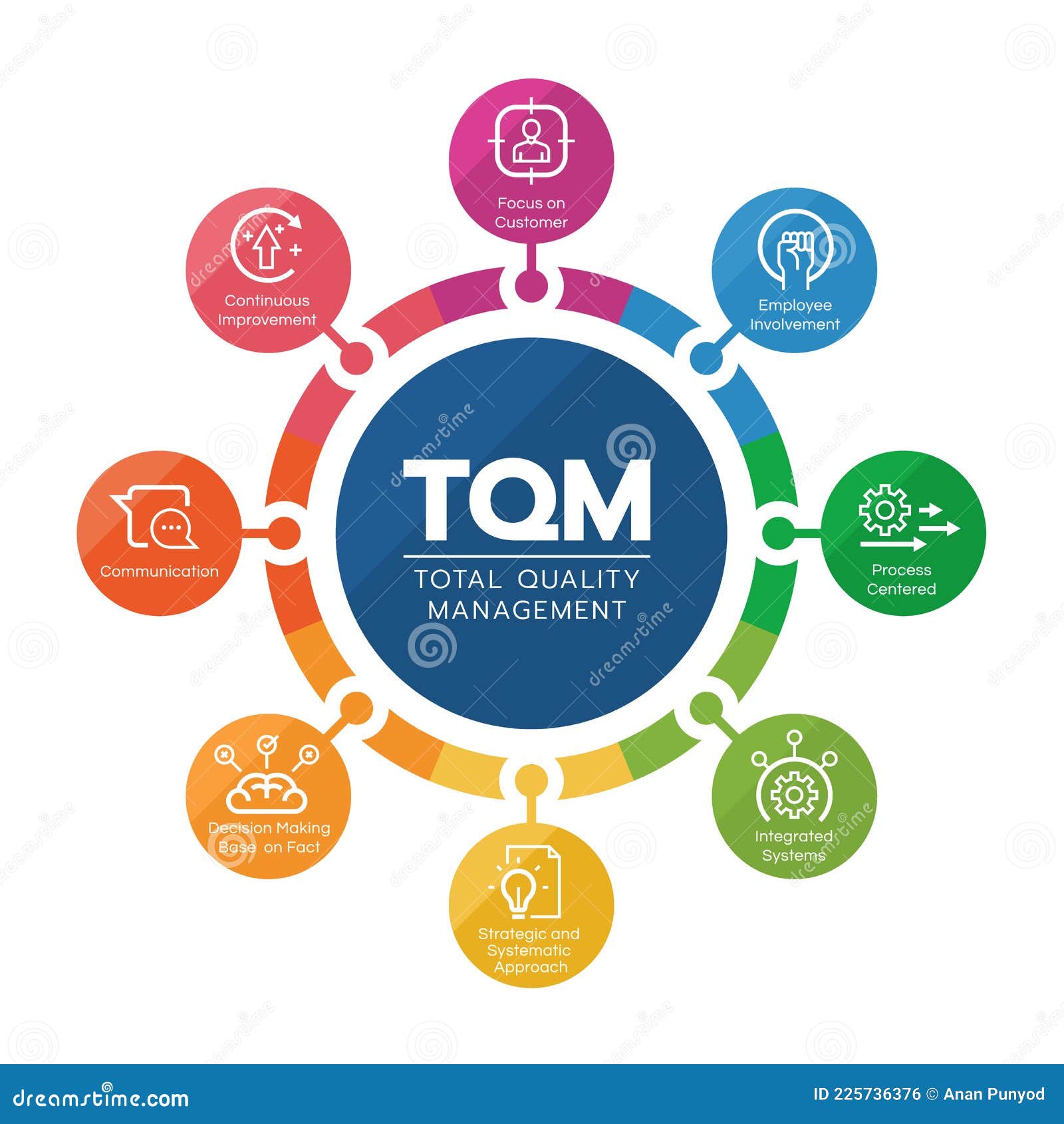
- Create a culture where feedback is welcomed and treated as a source of learning.
- Empower employees at all levels to identify issues and propose solutions.
- Invest in training and development so that people have the skills and tools needed to maintain high standards.
When these practices are in place, employee involvement becomes a powerful engine for innovation. Teams on the front lines often understand process weaknesses and opportunities better than anyone in the office, and TQM provides a structured way to capture their insights and turn them into improvements that benefit the entire organization.
Data-Driven Decision Making and Process Thinking
TQM relies on facts and data rather than intuition or guesswork when evaluating performance and guiding decisions. Organizations use key metrics, such as defect rates, cycle times, and customer satisfaction scores, to monitor progress and uncover patterns that might otherwise go unnoticed. This disciplined use of information helps leaders prioritize efforts, allocate resources wisely, and avoid decisions based on anecdotes or politics.
Another critical element is the application of process thinking, which means understanding work as a series of interconnected steps rather than isolated tasks. By mapping processes, identifying bottlenecks, and reducing variation, teams can achieve more predictable and reliable outcomes. Over time, this structured view of how work actually happens becomes a foundation for ongoing refinement, enabling organizations to respond faster to change and complexity.
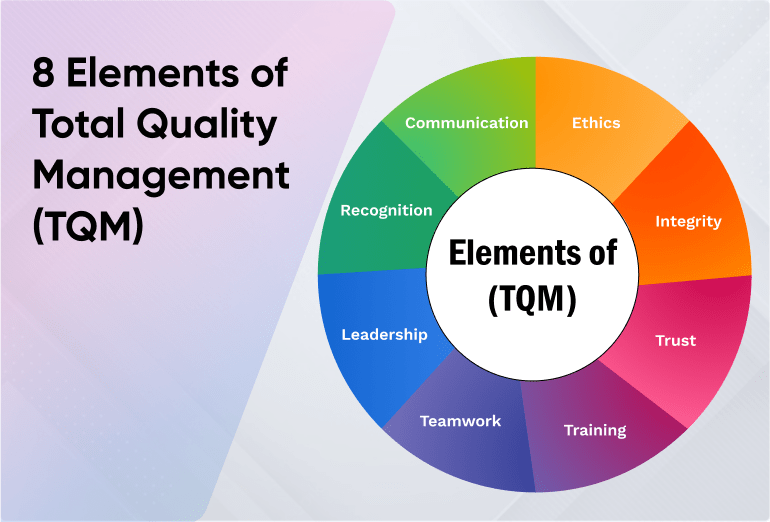
Continuous Improvement and Systematic Problem Solving
Continuous improvement is the engine that keeps Total Quality Management dynamic and relevant over the long term. Techniques such as Plan-Do-Check-Act cycles, root cause analysis, and structured problem-solving methods help teams address not just the symptoms of issues but also their underlying causes. This systematic approach prevents the recurrence of problems and turns everyday challenges into opportunities for learning and growth.
Organizations that master continuous improvement view change as a normal part of doing business rather than as a disruption. They encourage experimentation, document lessons learned, and share best practices across departments, accelerating progress and avoiding duplicated effort. As a result, they build a resilient capability to evolve, innovate, and maintain high levels of quality even as markets, technologies, and customer expectations shift.
Integration with Strategy and Long-Term Success
For TQM to deliver lasting value, it must be integrated into the broader strategy of the organization, not treated as a standalone operational tactic. Quality objectives should align with business goals, ensuring that improvement efforts support growth, profitability, and long-term sustainability. This alignment helps leaders make coherent choices about where to focus energy, which initiatives to pursue, and how to measure success in a balanced way.
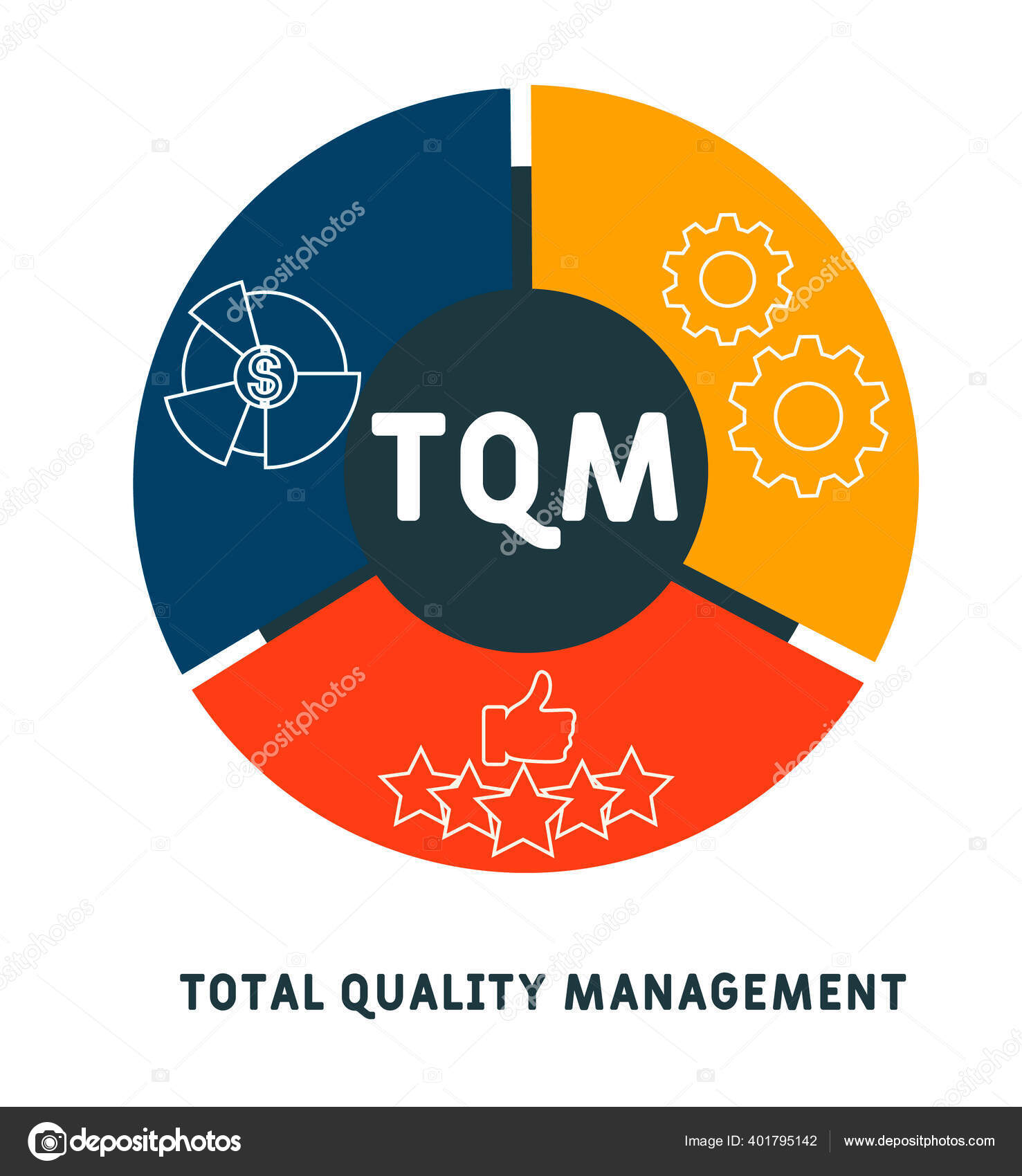
When executed thoughtfully, Total Quality Management strengthens reputation, enhances employee engagement, and builds a durable competitive advantage. Customers, partners, and stakeholders increasingly reward organizations that demonstrate consistency, reliability, and a genuine commitment to doing things right. By embedding quality into strategy, culture, and daily work, companies create a virtuous cycle of performance that supports enduring success and meaningful impact in their markets.
O que é TQM | Gestão da Qualidade Total
Descubra os fundamentos do Total Quality Management neste vídeo! 📊 Saiba como o TQM foca em: ✅ Satisfação do cliente como ...
